Bearing Buying Guide
This guide covers the basic factors that influence a bearing’s cost and performance so that you can make an informed decision when purchasing your next set. Topics covered on this page include:
- Size
- Materials
- Rating
- Ball Count
- Serviceable vs Sealed
Bearing Size
All bearings offered at Inline Warehouse are the standard 608 size for inline wheels unless otherwise noted. 608 bearings work with both 6mm and 8mm axles when paired with the correct bearing spacers. You can find both types of bearing spacers by clicking here.
Bearing Materials

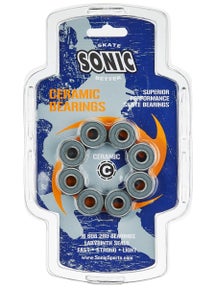
Bearings are most efficient when friction is kept to a minimum, making materials an important factor in overall performance. Many bearings are constructed from steel alloys that offer a dependable balance of durability, performance, and affordability. Higher-end bearings may incorporate premium materials or coatings, including titanium and ceramic components, to help reduce friction, resist wear, and maintain smooth performance over time.
Ceramic bearings are widely regarded as the most premium option, offering excellent durability, corrosion resistance, and low-friction performance for skaters looking to get the most out of their setup.
Bearing Ratings

Different manufacturers use different rating systems and terminology to describe how their bearings are designed to perform. The most common include standardized scales, such as the ABEC rating system, along with manufacturer-specific terms and designations like “Skate Rated” or “Swiss.”
ABEC, ILQ & SG Scales
ABEC is a standardized rating system used to classify the manufacturing tolerances and precision of bearings, with common ratings ranging from ABEC 1 to ABEC 9. Higher numbers indicate tighter tolerances and greater manufacturing precision. However, a higher ABEC rating does not necessarily mean a bearing will roll faster, smoother, or last longer when skating.
You may also see manufacturer-specific ratings such as ILQ and SG. While these systems can help distinguish different bearing levels within a manufacturer's lineup, they are not directly interchangeable with ABEC ratings.
For this reason, ratings are generally most useful when comparing bearings within the same brand or product line. Materials, lubrication, construction, and overall quality can all affect how a bearing performs on skates, regardless of the number printed on the shield.
If you don't have any past experience to reference, ask a friend or contact us for recommendations to help find the right bearings for your setup!
Skate Rated
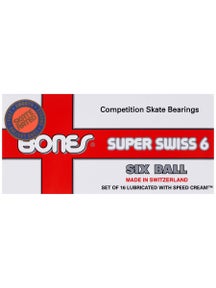
Many high-end bearings, such as the popular Bones Bearings, forgo numerical rating systems in favor of terminology specific to skating. Rather than focusing on machinery-based ratings, these bearings are specifically engineered around the demands of skating, prioritizing factors such as speed, smoothness, durability, and sustained roll. Higher-end options typically use upgraded materials, construction, and components designed to further enhance performance.
Swiss
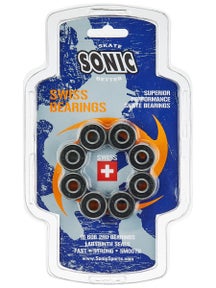
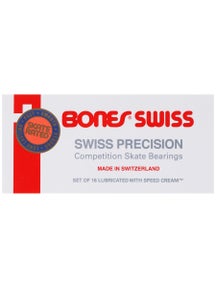
Swiss is a designation commonly used for high-end bearings rather than a numerical rating. Despite the name, not all bearings labeled “Swiss” are manufactured in Switzerland. Instead, the term is generally associated with premium materials, precision manufacturing, and high-performance designs built for fast, smooth, and sustained roll.
It's important to remember that not all Swiss bearings will perform equally, so brand reputation and past experience can be helpful when comparing options. If you need assistance choosing a respected bearing within your price range, we're happy to help!
Shop Bearings at Inline Warehouse
Kemistry Hockey Bearings
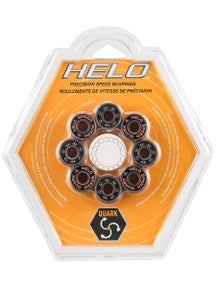
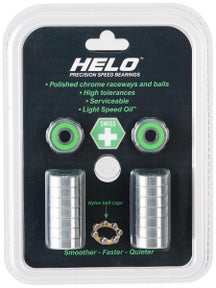
Helo Bearings
Bones Bearings
Inline Warehouse Bearings