How to Size & Buy a Goalie Pant
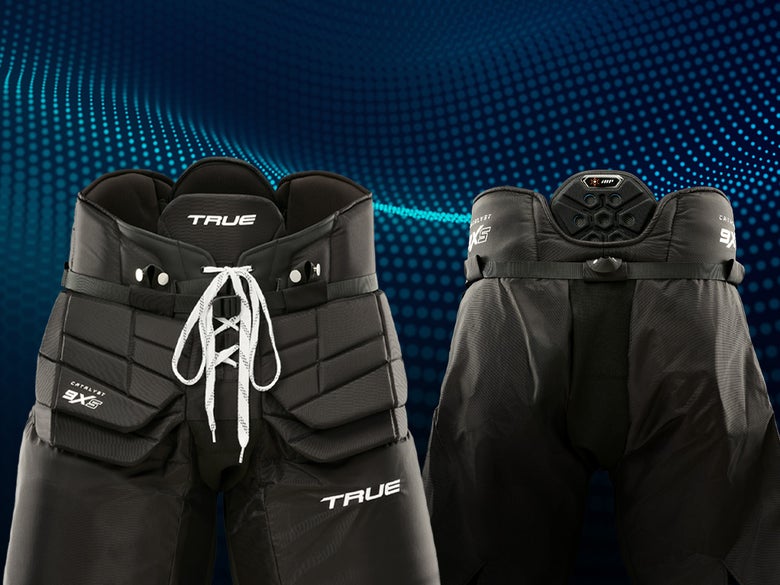
Goalie pants are one of those pieces of gear you don't notice until they fit wrong. Too big and they'll feel bulky, shift on you, and catch your leg pads when you drop into the butterfly. Too small and you'll lose coverage, or feel pinched at the hips and thighs when you skate, crouch, or rotate. The goal is to get a locked-in fit at the waist with enough room and length to move naturally, while maintaining coverage to the waist and upper legs.
This guide walks you through quick measurements and the key fit checks and features that affect performance, so you can choose the right goalie pants for your game.
Quick Goalie Pant Sizing Summary
Step 1. Measure your waist circumference just above the hips, keeping it snug but not tight.
Step 2. Measure the distance from your hip to the center of your kneecap.
Step 3. Use your waist and hip-to-knee measurements to choose your goalie pant size. If you're between sizes, go smaller for a more secure, connected fit, or go larger if you want extra coverage and a roomier feel.
Step #1: Take Your Waist & Hip-to-Knee Measurement
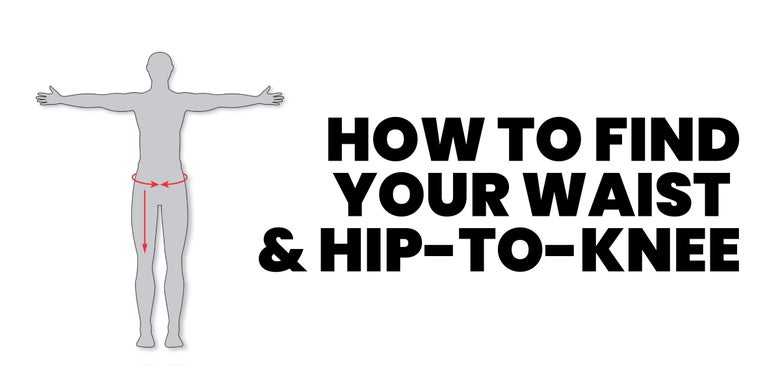
Goalie pant sizing starts with two key numbers: waist for overall size and how the pants sit, and hip-to-knee for length and coverage through the thighs. Some brands may use height as an additional factor when sizing, so always use the brand's specific sizing guidelines when sizing for goalie pants.
How to Measure Your Waist:
Using a soft measuring tape, wrap it around your natural waistline, just above the hips. Keep the tape level, snug but not tight, and write down the measurement.
How to Measure Your Hip-to-Knee:
Stand straight and measure from the top of your hip, just below the waist, down the front of your leg to the center of your kneecap. Write that number down as well.
Step #2: Match Your Measurements to the Brand Size Chart
With both measurements in hand, reference the brand-specific sizing chart on the product page. Goalie pant sizing isn't universal; brands and even different lines within the same brand can size differently, so remember to always use the chart for the exact pants you're buying.
Step #3: Choose Your Goalie Pant Size
After you've matched your measurements to the size chart, choose the size that gives you a secure waist fit with proper hip and thigh coverage. Start by tightening the internal belt (if included) and adjusting the outer belt so the pants sit centered and don't slide down when you move. If you're between sizes, go smaller for a more secure, connected fit, or go larger if you want extra room and coverage. It's always a good idea to wear your leg pads and chest protector when checking for fit to see how they interact with each other in your game-ready stance and in the butterfly.
Proper Fit
Properly fitted goalie pants should sit securely at your waist and hips without sliding down when you move, crouch, or drop into the butterfly. You should be able to rotate, recover, and skate without the pants pinching at the hips or restricting your stride. In terms of coverage, the pants should protect the hips, tailbone, and upper thighs, with a slight overlap between your leg pads and chest protector.
Improper Fit
Goalie pants that are too large will feel bulky and unstable, often shifting or sliding down when you move. They will also catch and bind with your chest protector and leg pads, which can slow down your butterfly and recoveries. Pants that are too small can feel tight in the waist and hips, create pinching or pressure points when you crouch, and restrict mobility when dropping down to the butterfly. You may also lose coverage, caused by gaps between the leg pads and the chest protector.
| General Goalie Pants Sizing Chart | |||
|---|---|---|---|
| The information below is a general sizing guideline and DOES NOT guarantee fit. The chart is not specific to any item or brand, so if a product has specific sizing guidelines on its product page, DO NOT reference the general sizing guidelines below. | |||
| Goalie Pant Size | Waist | Hip-to-Knee | Height |
| Youth | 20" - 22.5" | 13" | 3'5" - 4'2" |
| Junior | 22" - 27" | 13" - 14.75" | 4'1" - 4'11" |
| Intermediate | 26" - 31.5" | 14" - 16" | 4'11" - 5'7" |
| Senior | 29" - 39"+ | 15.5" - 18"+ | 5'4" - 6'2"+ |

Which One Should I Choose?
Tucked vs Untucked
Tucked goalie pants are designed to be worn under your chest protector. This setup can feel more streamlined through the torso and can help reduce bulk around your midsection, which some goalies prefer for mobility and connected feel. They usually have a more tapered waist to accommodate the chest protector fitting over top of the pants.
Untucked goalie pants are built to be worn over a chest protector. They typically offer a roomier fit around the waist and torso, and many goalies like the added overlap and coverage through the abdomen and ribs. If you want a more traditional, high-coverage feel, untucked pants are often the safer bet.
Many modern goalie pants have the ability to adjust so goalies can choose whether they want to tuck or untuck their chest protector. Choosing which style best suits your game mainly comes down to personal preference.
Level of Play
Goalie pants are grouped by level of play based on protection package, materials, mobility features, and adjustability. Recreational pants prioritize comfort and value with solid coverage for newer or casual goalies facing lower shot speeds. Performance models add better impact protection in key areas, improved fit systems, and stronger materials for goalies who play regularly and see harder shots. Elite pants use premium foams and reinforcements, pro-level construction, and the most advanced mobility and adjustment features to deliver maximum protection, durability, and confidence against heavy shot volume and high levels of competition.
Goalie Pants FAQ's
How do I measure for goalie pants?
Measure your waist circumference just above the hips, then measure from the top of your hip down to the center of your kneecap (your hip-to-knee). Use those two measurements, along with your height if the brand recommends it, to choose the right goalie pant size.
Should goalie pants fit tight or loose?
They should feel secure at the waist and hips with enough room in the thighs to move freely. You don't want the pants sliding or moving at the waist, but you also don't want pinching when you crouch or rotate.
What if I'm between two goalie pant sizes?
Go smaller for a more connected, less-bulky fit. Go larger if you want extra room and coverage, or if your hip-to-knee measurement suggests you need more length.
How do I know if my goalie pants are too big?
Signs include sagging, shifting, and sliding out of place. They can also bind and get caught up with your chest protector and leg pads when rotating and transitioning in and out of the butterfly.
How do I know if my goalie pants are too small?
You'll feel pinching at the waist and hips when you crouch, along with restricted mobility when rotating and performing butterfly transitions. Additionally, if there are gaps between your chest protector or leg pads, they are too small.
Do goalie pants need to overlap my chest protector?
Yes, your goalie pants and chest protector setup should layer cleanly so there's no exposed gaps at the midsection. Whether you decide to tuck or untuck your chest protector comes down to a personal choice.
How much thigh coverage do I need?
There should be enough length so that the pants cover your upper legs and integrate with your leg pads without interfering. Too long and they can inhibit leg mobility, too small and they can leave gaps in protection.
What level of goalie pants should I buy (recreational, performance, or elite)?
Recreational models are best for new or casual goalies facing lighter shots and on the ice 1-2 times per week. Performance goalie pants offer better protection and durability for regular play and hard shots, and are best suited for goalies on the ice 2-3 times per week. Elite-level models provide maximum protection, materials, and mobility features for high shot volume and higher levels of play, typically for goalies who suit up 4+ times per week.
How do goalie pants fit with leg pads, will they interfere?
With the proper size, they shouldn't. Your pants should allow your leg pads to rotate and seal without the thigh padding catching on the top of the pad or the knee area.
Do different brands fit goalie pants differently?
Yes, brands vary in waist shape, length, and volume. Always use the sizing chart for the exact model.