How to Size & Buy a Goalie Mask
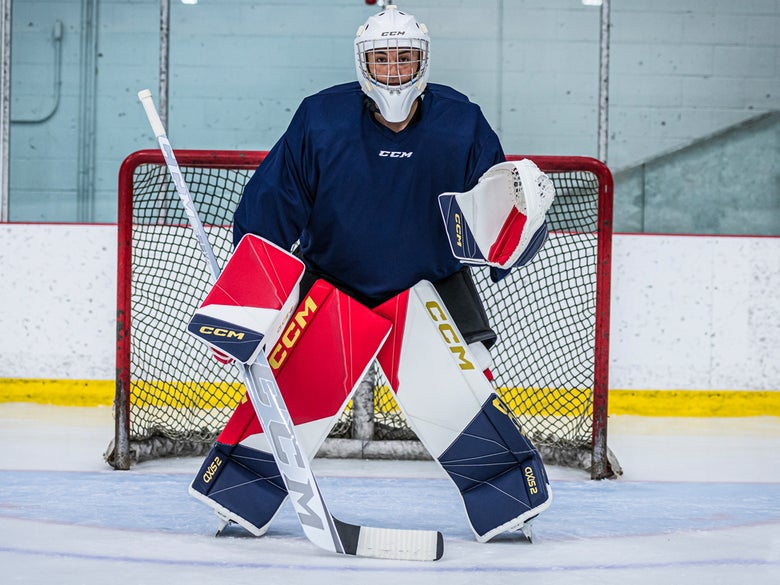
Buying a goalie mask can feel overwhelming, especially for new goalies or parents, because the right fit is about more than comfort. A proper mask should sit snug and stable to protect your head and face, while still giving you clear sightlines and the freedom to move naturally as you track pucks, rotate, and challenge shots around the net.
This guide simplifies the process with easy sizing steps, plus the key fit checkpoints and features that affect comfort, protection, and overall confidence in the crease.
Quick Goalie Mask Sizing Summary
Step 1. Measure the circumference of your head just above the eyebrows and over the temples.
Step 2. Match your measurement to the brand-specific sizing chart, using your hat size as an additional factor if applicable.
Step 3. Choose your mask size. If you're between sizes, it's recommended to go with the smaller size first so that it fits snug and stable.
Step #1: Take Your Head Measurement
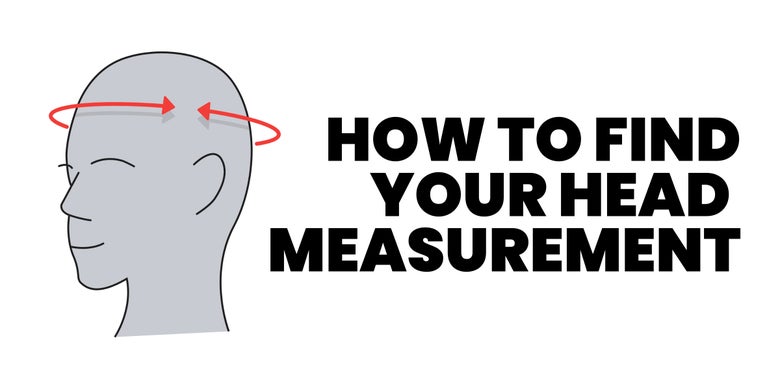
Your goalie mask size is primarily based on your head circumference measurement, and some brands also reference hat size as a secondary sizing guideline.
Using a soft measuring tape, wrap it around the circumference of your head so it sits just above your eyebrows in the front and over your temples on the sides. Keep the tape measure level all the way around your head, pull it snug but not tight, and write down the measurement.
Step #2: Match Your Measurement to the Brand Size Chart
Once you have your head circumference, reference the brand-specific sizing chart on the product page. Goalie mask sizing isn't universal; each brand, and even model line, can fit a little differently, so always use the sizing guidelines for the exact mask you're buying. Some brands also list hat size to help you dial in the right size.
Step #3: Choose Your Goalie Mask Size
Once you've matched your head circumference measurement to the brand size chart, choose the size that will fit snug and stable. Start by adjusting the backplate in even increments so that the mask sits centered and feels snug around your head. Then adjust the chin cup and tighten the chin strap to keep the mask in the proper position. A goalie mask should feel secure all the way around with even pressure, clear sightlines, and no shifting when you move. If you fall between two sizes, start with the smaller option for a snug, stable fit. If it feels overly tight or creates pressure points, move up to the larger size.
Proper Fit
A properly fitted goalie mask should feel snug and evenly supported around your forehead, temples, cheeks, and the back of your head. It should stay stable without moving when you shake your head, and your cheeks and jaw should feel secure without being pinched. Your eyes should sit centered in the cage for clear sightlines, and the chin cup should feel comfortable while keeping the mask locked in place. The backplate should have a minimum or no gap at the back of the head.
Improper Fit
A goalie mask that is too large will feel loose, unstable, or shift as you move. A mask that is too small will cause painful pressure points on the forehead, cheeks, and temples. Additionally, if the mask is too big or too small, the chin cup won't sit naturally on your chin, and your sightlines can end up too high or too low, which can create vision issues through the cage. The backplate can also sit improperly; either too loose to secure the mask or leaving noticeable gaps between the shell and the backplate.
| General Goalie Mask Sizing Chart | ||
|---|---|---|
| The information below is a general sizing guideline and DOES NOT guarantee fit. The chart is not specific to any item or brand, so if a product has specific sizing guidelines on its product page, DO NOT reference the general sizing guidelines below. | ||
| Goalie Mask Size | Head Measurement | Hat Size |
| Youth | 19 3/8" - 21 3/4" | 6 1/8 - 6 3/4 |
| Junior | 20 5/8" - 22 3/8" | 6 1/2 - 6 3/4 |
| Small | 21" - 22 3/8" | 6 3/4 - 7 1/8 |
| Medium | 21 7/8" - 23 1/4" | 7 - 7 3/8 |
| Large | 22 5/8" - 24" | 7 1/4 - 7 5/8 |

Which One Should I Choose?
Straight Bar vs Cat-Eye
There are two main styles of cages, which directly affect vision and coverage. A straight bar cage (non-cat eye) provides a more traditional look with tighter spacing between the bars, offering more coverage and peace of mind for newer goalies. A cat eye cage opens up the sightlines and can feel less obstructive when tracking pucks, especially on plays down low or through traffic. However, the openings are larger, so it's typically best for goalies who are confident in their level of play and don't require a certified cage for their league. For goalies wanting the cat eye version, there are certified cat-eye designs that provide more vision than a straight bar design, but less vision than a non-certified style. Since they come as "certified cat-eye" models, these cages allow goalies to wear the cat-eye style in leagues that require a certified cage.
Level of Play
Goalie masks are grouped by level of play based on shell materials, internal protection, and weight. Recreational masks focus on comfort and value for newer or casual goalies facing lighter shot speeds. Performance models step up protection with stronger shells and improved foam packages for goalies who play regularly and see harder shots. Elite masks use premium shell materials and the most advanced impact-management foams to deliver top-level protection, long-term durability, and confidence against heavy shot volume and higher levels of competition.
Goalie Mask FAQ's
How do I size a goalie mask?
Measure your head circumference just above your eyebrows and over your temples, then match it to the brand's sizing chart.
How tight should a goalie mask fit?
It should feel snug and stable against the forehead, cheeks, temples, and chin without shifting when you shake your head and without painful pressure points.
What if I'm between two mask sizes?
Start with the smaller size for a secure and stable fit. Size up if there are uncomfortable pressure points.
Where should my eyes sit in the cage opening?
They should sit centered in the cage openings so that you have clear sightlines.
How should the chin cup fit?
Your chin should sit naturally in the cup without forcing your jaw forward or back, and the mask should stay stable on your head when you move.
How do I adjust a goalie mask for a better fit?
Start by adjusting backplate straps in small, even increments until the mask sits centered and feels snug and secure around your head. Then adjust the chin cup and tighten the chin strap so it holds the mask in place.
How do I choose the right protection level?
Choose Recreational for comfort and lighter shot speeds, Performance for upgraded protection and durability, and Elite for premium materials and the highest level of protection.
Should I size up to "grow into" a goalie mask?
No, an oversized mask can shift on impact and drastically reduce protection. Always choose a mask that fits properly.
Straight bar vs. cat eye: which cage should I choose?
Straight bar designs offer more coverage, are certified, and are the best choice for new goalies. Cat eye cages open up vision for better sightlines but reduce coverage to the face. Cat eye cages generally don't come certified, so always check your league rules before purchasing.
How do I measure my head if I don't have a soft tape measure?
You can use a string, a shoelace, or something similar, applying the same measuring guidelines and then marking it. Then measure the string with a ruler or a normal tape measure.