How to Size & Buy a Goalie Chest Protector
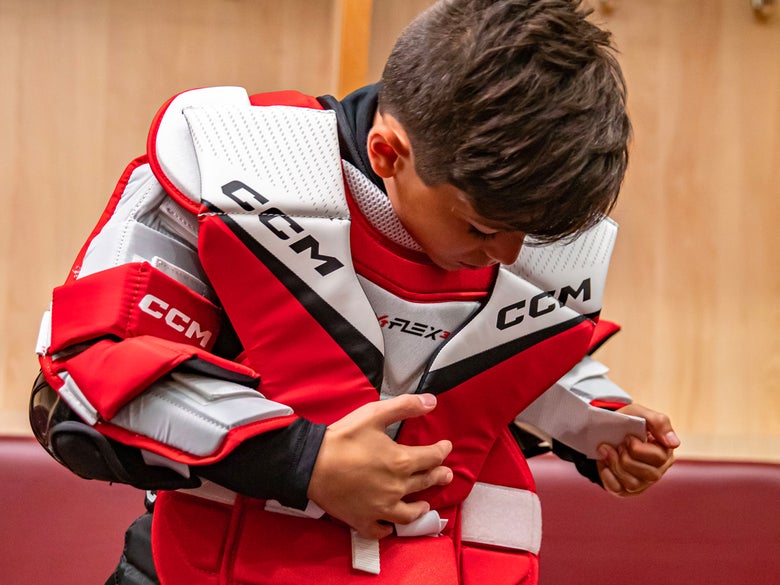
Buying a goalie chest protector can be a tough decision, especially if you're new to the position or a parent trying to nail the fit on the first try. The right choice protects your chest, arms, and shoulders while still letting you move freely, so you can stay square to the shooter, track pucks, and feel comfortable in your stance, butterfly, and recoveries.
This guide simplifies the process with clear steps for sizing, plus the key features that influence fit, protection, and mobility.
Quick Chest Protector Sizing Summary
Step 1. Find your arm span measurement.
Step 2. Correspond your measurement to the brand-specific sizing chart.
Step 3. Choose your chest protector size.
Step #1: Take Your Arm Span Measurement
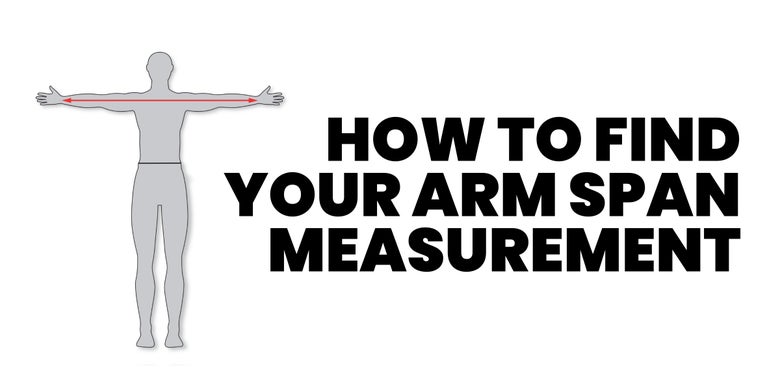
Your chest protector size is usually based on your arm span, though some brands use goalie height instead.
Stand tall with your arms extended straight out to your sides (like a "T"), palms facing forward. Measure the distance, in inches, from the wrist on one hand to the wrist of your other hand. This works best with someone else measuring so the arms stay level and fully extended.
Step #2: Match Your Measurement to the Brand Size Chart
Once you have your arm span, reference the brand-specific sizing chart on the product page. Chest protector sizing is not universal, and some brands use height/weight to determine the specific chest protector size, so always use the sizing guidelines for the exact brand you're buying.
Step #3: Choose Your Chest Protector Size
Once you've matched your arm span measurement or height to the brand's sizing chart, select the chest protector that best matches your measurements. If the measurement falls between two sizes, choose the larger size for more coverage or the smaller size for more mobility. Many modern chest protectors come with key adjustability points, specifically at the shoulders, arms, and torso, which allow goalies to fine-tune their coverage and fit.
Proper Fit
Arms: Your elbows should land in the elbow cup naturally, and the forearm protection should extend down to your wrist, about where a watch would sit. This gives you solid coverage while still letting you rotate your wrists for catching, blocking, and stick control.
Chest: Your shoulders should sit centered under the shoulder caps, and the floaters should protect your collarbone and upper chest without riding into your mask. The chest panel should sit square on your torso and extend down to your belt line for proper coverage.
Improper Fit
Arms: If it’s too small, the forearm padding can stop short of your wrist and leave a gap in coverage. If it’s too big, the padding can extend past your wrist and limit mobility in both your wrists and arms. In either case, your elbow may not sit correctly in the elbow cup, which can feel uncomfortable and increase the risk of getting banged up.
Chest: If it's too small, your shoulders won't sit properly underneath the shoulder caps, and the collarbone will be exposed. The chest panel will also come up short with the goalie pants, potentially exposing gaps in protection. If it's too big, the floaters can interfere with your mask when you look down or turn, the chest area can feel bulky, and it may extend too far, which can cause too much interference with your goalie pants.
| General Goalie Chest Protector Sizing Chart | ||
|---|---|---|
| The information below is a general sizing guideline and DOES NOT guarantee fit. The chart is not specific to any item or brand, so if a product does have specific sizing guidelines on the product page, DO NOT reference the general sizing guidelines below. | ||
| Chest Protector Size | Arm Span Measurement | Height |
| Youth | 34" - 38" | 3'6" - 4' |
| Junior | 38" - 45" | 4' - 4'10" |
| Intermediate | 45" - 53" | 4'10" - 5'6" |
| Senior | 53" - 64.5" | 5'6" - 6'3"+ |

Which One Should I Choose?
Coverage vs Mobility
A chest protector's fit profile comes down to how much coverage you want versus how much mobility you need. A coverage-first chest protector will feature bulkier, wider protection in the shoulders, arms, and torso for maximum coverage, but it can feel bigger and less mobile. A mobility-first chest protector will feature more contoured protection, segmentation, and a close-to-the-body feel for easier movement, but may feel like less net coverage. For newer goalies, choosing a more mobility-focused chest protector is usually the better option, which allows for easier movement in and out of the crease while learning the game.
Level of Play
Goalie chest protectors are grouped by level of play based on protection, materials, weight, and adjustability. Recreational models prioritize comfort, flexibility, and value for newer or casual goalies. Performance adds stronger protection packages, better coverage, and improved durability for goalies who play regularly. Elite chest protectors use premium, lightweight materials with the most advanced protection and durability for heavy shot volume and higher levels of competition.
Goalie Chest Protector FAQ's
How do I size a goalie chest protector?
Measure your arm span, in inches, from the wrist of one hand to the wrist of your other hand. Some brands use goalie height instead, so always follow the brand sizing chart on the product page.
If I'm between sizes, should I size up or down?
Size up if you want more coverage and protection. Size down if you want more mobility and a closer-to-the-body feel.
How do I know if the arms are the right length?
The forearm padding should end just short of your wrist so it provides maximum coverage but without interfering with your glove or blocker. It should end roughly 1-1.5" back from the wrist or where you would wear a watch.
How should the shoulder floaters fit?
They should protect your collarbone and upper chest without bumping your goalie mask when you look down or turn your head.
Should I try on a chest protector with my other gear?
Yes, you should wear your mask, goalie pants, glove, and blocker when checking fit so you can identify interference issues right away.
Tucked or untucked (does it change sizing)?
It depends on the level of adjustability. Many modern goalie chest protectors come with removable belly protection, allowing goalies to customize their fit depending on whether they tuck or untuck their chest protector. This adjustability allows goalies to find the right size and then adjust the fit for pant integration. For models without belly pad adjustability, you may need to size up or down, depending on the coverage you want to obtain, but make sure you aren't sacrificing fit and coverage in the arms and shoulders.
How do I choose the right protection level?
Go Recreational for comfort and lower shot speeds, Performance for stronger protection and durability, and Elite for the best materials and protection.
I'm between sizes, should I size up or down?
If you're between sizes, choose the larger size for more coverage or the smaller size for more mobility. You want to ensure that the size keeps your wrists, arms, and head mobile while ensuring your elbows and shoulders sit properly underneath the protection for maximum coverage and comfort.
Are brand sizes consistent?
Not always. Chest protector sizes vary by brand and even within the same model family. Always use the sizing chart on the specific product page.
My catcher and blocker feel restricted. What's the usual cause?
Forearm length is often the culprit, usually caused by being too long. Try adjusting the length first by using the adjustment straps near the shoulders, ensuring the elbow stays seated properly in the elbow cap. If there are no adjustment straps, you may need to size down.