How to Size & Buy a Goalie Catcher & Blocker
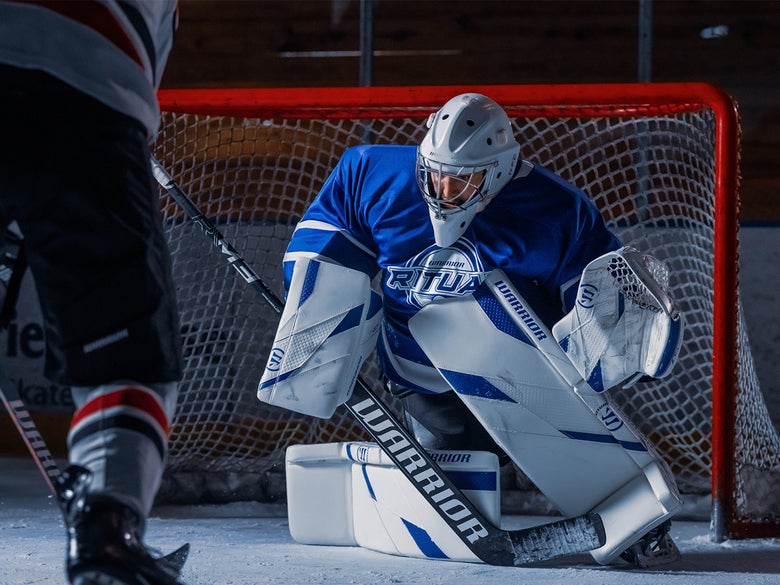
Buying a goalie catcher and blocker can feel overwhelming, especially if you're a new goalie or a parent trying to get everything right the first time. The right catcher will close naturally and comfortably, enabling you to make that sprawling catching save. The right blocker will feel stable in your hand and provide confident coverage when making blocker saves.
This guide breaks the process down into simple steps, from how to size the catcher and blocker to the key features that affect performance.
Quick Catcher & Blocker Sizing Summary
Step 1. Find your hand measurement.
Step 2. Correspond your measurement to the brand-specific sizing chart.
Step 3. Choose your catcher or blocker size.
Step #1: Take Your Hand Measurement
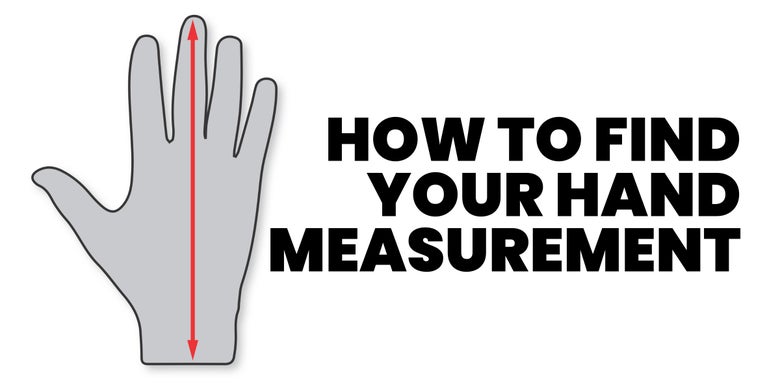
Finding your catcher and blocker size is as easy as finding your hand measurement. With your hand open and flat, measure the distance, in inches, from the base of the palm to the tip of the middle finger.
Step #2: Match Your Measurement to the Brand Size Chart
Once you have your hand measurement, reference the brand-specific sizing chart on the product page. Each brand correlates your hand measurement to a specific catcher and blocker size. Catcher and blocker sizing is not universal, so always use the chart for the exact brand/model you're buying.
Step #3: Choose Your Catcher & Blocker Size
Once you've matched your hand measurement to the brand's sizing chart, select the catcher or blocker that best matches your measurements. If the measurement falls between two sizes, choose the larger size for more coverage or the smaller size for more mobility.
Proper Fit
Catcher: Your fingers sit naturally in the stalls without being jammed, your palm makes solid contact with minimal dead space, and the glove closes smoothly. The cuff feels secure but still lets you flex your wrist and move comfortably while tracking and catching.
Blocker: Your fingertips land near the end of the finger stalls, your hand feels centered and stable in the palm, and the blocker stays square without twisting when you grip your stick. You should be able to flex your wrist naturally, and the stick should feel controlled and connected.
Improper Fit
Catcher: If it's too small, your fingers feel cramped and the cuff digs in. If it's too big, your hand slides inside, closing it becomes a struggle, and the glove can feel loose, making it harder to catch cleanly.
Blocker: If it's too small, your fingers feel jammed, the cuff restricts your wrist, and your grip feels tight and uncomfortable. If it's too big, your hand feels "loose" inside, the blocker can rotate on impact, and you'll feel less stable on saves with weaker stick control.
| General Goalie Catcher & Blocker Sizing Chart | |
|---|---|
| The information below is a general sizing guideline and DOES NOT guarantee fit. The chart is not specific to any item or brand so if a product does have specific sizing guidelines on the product page, DO NOT reference the general sizing guidelines below. | |
| Catcher & Blocker Size | Hand Measurement |
| Youth | 4.5" - 5.5" |
| Junior | 5.5" - 6.5" |
| Intermediate | 6" - 7" |
| Senior | 7" - 8.5" |

Which One Should I Choose?
Catcher Break Angle and Pocket
The glove break is how the catcher wants to close in your hand. The three most common options are the 580 (90-degree), 590 (60-degree), and 600 (75-degree). For most goalies, especially beginners, the 590 is the safest starting point because it's the most neutral and natural-feeling closure, closing toward the base of the thumb. A 580 has a steeper, more "thumbs-up" catching position and closes by pulling the fingers into the palm for quick control. A 600 closes more like a baseball mitt, from the fingertips toward the thumb, creating a wider, deeper pocket that sits a bit farther out for maximum coverage.
There are two main types of pockets: single-T and double-T. A single-T pocket feels more structured, so it keeps its shape and provides more feel when catching pucks. A double-T pocket has more lace support, providing a softer feel that reduces pop-outs, which many new goalies like because it feels more forgiving as you're learning to catch cleanly.
Blocker Board Style
A blocker's board style is mainly about rebound direction and whether you want a coverage-first or mobility-first feel. A more traditional, blocking-oriented design (CCM Axis) suits goalies who rely on butterfly positioning and want predictable, powerful deflections, while a slimmer, centered-hand design (CCM Extreme Flex) feels quicker and more connected for active goalies who play the puck and want easier stick handling. You'll also see different board angles (Warrior). Some are designed to kick rebounds faster and higher, while others help you steer rebounds more deliberately down toward the corners for more technical control.
Level of Play
Goalie catchers and blockers are grouped by level of play based on protection, materials, weight, and adjustability. Recreational models prioritize comfort, easy break-in and closure, and value for newer or casual goalies, while Performance adds better protection, a more responsive feel, and stronger durability for goalies who play more regularly. Elite gear uses premium, lightweight materials with the most advanced protection and durability for heavy shot volume and higher levels of competition.
Regular vs Full Right
This refers to which hands you wear your catcher and blocker on. Regular is the most common setup: catcher on the left hand and blocker on the right. Full Right is the opposite: catcher on the right hand and blocker on the left. If you decide to go with a Regular catcher, then your blocker and goalie stick must be Regular as well. The same applies to choosing a Full Right catcher; the blocker and goalie stick must be Full Right.
Goalie Catcher and Blocker FAQ's
How do I size a goalie catcher and blocker?
Measure the length of your hand (inches) from the base of your palm to the tip of your middle finger. Match it to the brand's sizing chart.
Should my fingers touch the ends inside the catcher or blocker?
No, your fingers should sit near the ends without being jammed, leaving no more than 1/4" of room so you can move naturally and stay comfortable.
How should a goalie blocker fit?
Your fingers should reach close to the ends of the stalls, your hand should sit centered and secure in the palm, and the blocker should stay square without rotating when you hold your stick. You should be able to move your wrist freely, and the stick should feel stable and easy to control.
How should a goalie catcher fit?
Your fingers should rest comfortably in the stalls without feeling cramped, your hand should sit snug in the palm with little extra space, and the glove should close cleanly without you fighting it. The cuff should feel secure while still allowing easy wrist movement for tracking and catching.
What's "Regular" vs "Full Right" for a goalie?
Regular = catcher on the left hand, blocker on the right hand. Full Right = catcher on the right hand, blocker on the left hand. If you choose a Regular catcher, you must also choose a Regular blocker and goalie stick. The same applies to choosing a Full Right catcher, you must also choose a Full Right blocker and goalie stick.
What glove break should I get (580 vs 590 vs 600?
If you're a new goalie, start with the most common and neutral feel, 590. It's widely described as the most popular and natural for many goalies. However, try on each style and choose the break angle that feels most comfortable when closing the pocket.
Single-T vs Double-T pocket: which is better?
Single-T tends to feel more structured and provides a better feel for the puck when catching. Double-T usually feels softer and more flexible, which helps improve puck retention when making puck saves. Choose the one that holds pucks best for you.
I'm between sizes, should I size up or down?
If you're between sizes, choose the larger size for more coverage or the smaller size for more mobility. You want to ensure that the size keeps your hand stable and lets the catcher or blocker perform naturally without your hand sliding around.
Should the cuffs overlap my chest and arm protection?
Yes, your arm padding should sit under the catcher and blocker cuffs by a couple of inches without restricting movement, which makes sure there are no exposed gaps at the wrist.
Can I mix brands for catcher and blocker?
Yes, just confirm sizing with each brand's chart to ensure you have the right size.