Expensive vs Cheap Ice Hockey Gear
(What's the Difference)
Shopping for ice hockey gear for the first time can be overwhelming, especially when you see large price differences. From entry-level recreational gear to elite-level protective equipment, understanding what you're actually paying for can help you make smarter buying decisions that match your level of play, budget, and needs. Below, we break it down into the three most important things every player and parent should know.
What Cheap vs Expensive Hockey Gear Really Means
In hockey, price usually reflects materials, construction, protection level, and adjustability. Entry-level or recreational gear is designed for beginners and low-level contact play. It typically uses simpler construction, single-density foams, and fewer adjustable features. This makes it more affordable and perfectly suitable for learning programs or slower-paced hockey.
As you move into higher-priced performance and elite-level hockey equipment, the gear is built to handle faster skating, harder shots, and increased contact. These products use advanced segmentation, multi-density foams, molded protection, and improved coverage in high-impact areas.
The bottom line, cheap hockey gear isn't bad, and expensive gear isn't always necessary. The best choice is the one that fits properly, protects you for how you play, and works within your budget.
| Recreational vs Performance vs Elite Hockey Equipment | |||
|---|---|---|---|
| Category | Recreational | Performance | Elite |
| Designed For | First-time players, low-contact hockey | Developing players, faster pace, moderate contact | Competitive players, high-speed, physical play |
| Construction | Simple, one-piece designs | Segmented | Advanced segmentation |
| Protection Level | Basic | Enhanced | Maximum |
| Adjustability | Limited | Improved | Highly adjustable, customizable |
| Game Speed | Slower-paced play | Faster skating, harder shots | Fastest play, hardest shots, heavy contact |
| Price Range | $ | $$ | $$$ |

When to Upgrade Your Hockey Gear
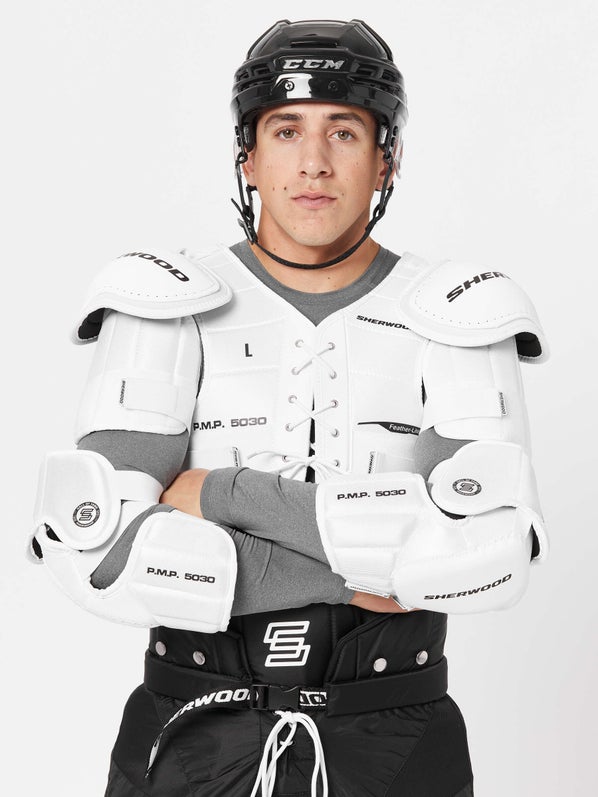
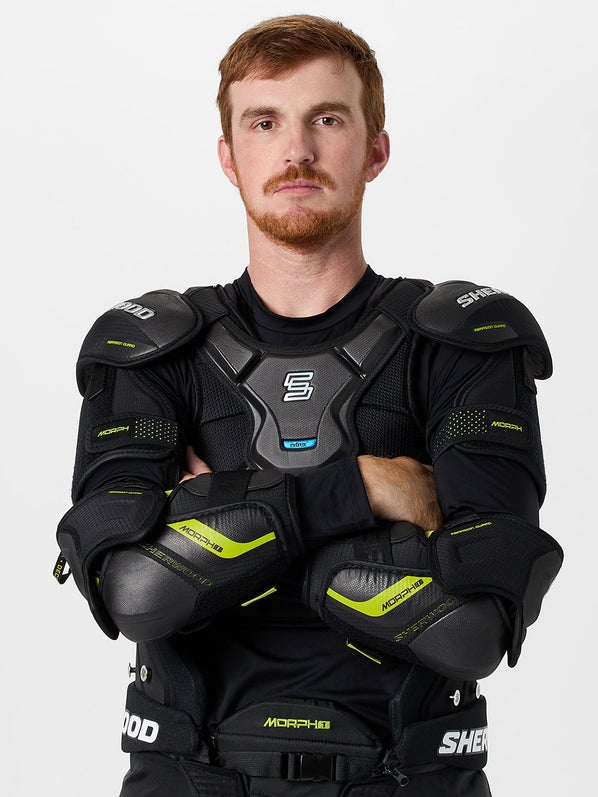
There's no exact point when a player has to move up in gear, but upgrading typically make sense as the game becomes faster and more physical. This often happens as youth players advance into higher age groups and divisions, or when adult players move into more competitive leagues with increased speed, contact, and shot velocity.
For recreational players, purchasing the most expensive gear isn't required, but choosing higher protection is never a bad decision, as long as the equipment fits properly and stays within your budget. Players who spend a lot of time battling along the boards, blocking shots, playing in front of the net, or experiencing frequent falls often benefit from stepping up their protection sooner.
It's also completely normal to mix and match protection levels. Many players choose elite protection for high-impact areas like the elbows, shins, or pants, while selecting more budget-friendly options for other pieces based on comfort, fit, and style of play. This helps protect the most important areas right away and gives players time to invest in additional gear as they continue playing.
Where to Prioritize Your Hockey Gear Budget

Your first goal should always be choosing equipment that fits properly and feels comfortable. Without a proper fit, even elite-level protection can become compromised. A properly fitted helmet should always be the top priority and should never be compromised.
If you're deciding where to prioritize your spending, focus first on areas most vulnerable to injury. Helmet, elbow pads, shin guards, and hockey pants are often worth upgrading first, as impacts to the head, elbows, knees, hips, and tailbone can be more common and lead to longer-lasting injuries. It's also smart to factor in any previous injuires and consider stepping up your protection level in those areas first.
If you need additional help with sizing or selecting hockey gear, be sure to explore our dedicated Learning Center pages using the buttons below.
Expensive vs Cheap Hockey Gear FAQs
Is expensive hockey gear always better?
When it comes to performance, protection, and mobility, the answer is a simple yes. However, the best gear is the one that fits properly and matches your level of play.
Can beginners use elite-level hockey gear?
Most definitely! As long as the gear fits properly and stays within your budge, elite gear can be used at any level.
When should I upgrade my hockey gear to a higher protection level?
There's no exact point when a player must move up in gear, but upgrading usually makes sense as the game becomes faster and more physical. While the most expensive gear isn't required, stepping up protection, especially for high-impact areas like elbows, shins, and pants, can be beneficial.
What's the biggest difference between cheap and expensive hockey pads?
Protection and mobility are the two key upgrades between recreational and elite-level equipment.
Can I mix recreational and elite hockey gear?
Absolutely. Many players mix and match their gear levels so they can prioritize protection where it matters most while keeping their budget in check.
What hockey gear is worth spending more on?
Your helmet is always worth the extra investment as protects the most critical area of the body. Elbow pads, shin guards, and pants are also smart areas to prioritize for added protection.
Does higher-end gear last longer?
In most cases, yes. They are built with better materials and construction that often improve durability, especially for players skating multiple times per week.
Is recreational ice hockey gear safe for beginners?
Yes, as long as it matches the appropriate level of play. Recreational gear is designed for slower speeds and lighter contact, making it a safe and effective option for beginners, learn-to-play programs, and non-contact hockey leagues.
What should I do if I'm between two price points?
If you're deciding between two price points consider whether the added protection, features, and performance will actually benefit how you play. If the higher-level gear offers meaningful upgrades for your style of play, and fits within or slightly above your budget, stepping up can be a worthwhile investment.
How do I know what level of hockey gear I need?
The level of ice hockey gear you need depends on how fast and physical your game is. Recreational gear works best for beginners and non-contact play, while performance and elite gear offer added protection for faster skating, harder shots, and increased physical contact. As a general rule, choose the highest level of protection that makes sense for your style of play and fits comfortably within your budget. Also consider upgrading key pieces sooner if you play physically or take frequent impacts.